


If I asked you right now to give me exact details on what you wanted from your life within the next 5 years, you probably couldn’t give me an answer.
Not a clear one.
Not an answer you feel assured in.
What about the next 6 months? What about the next week?
There’s something disturbing behind why most people can’t answer this question. And no, it’s not stupidity.
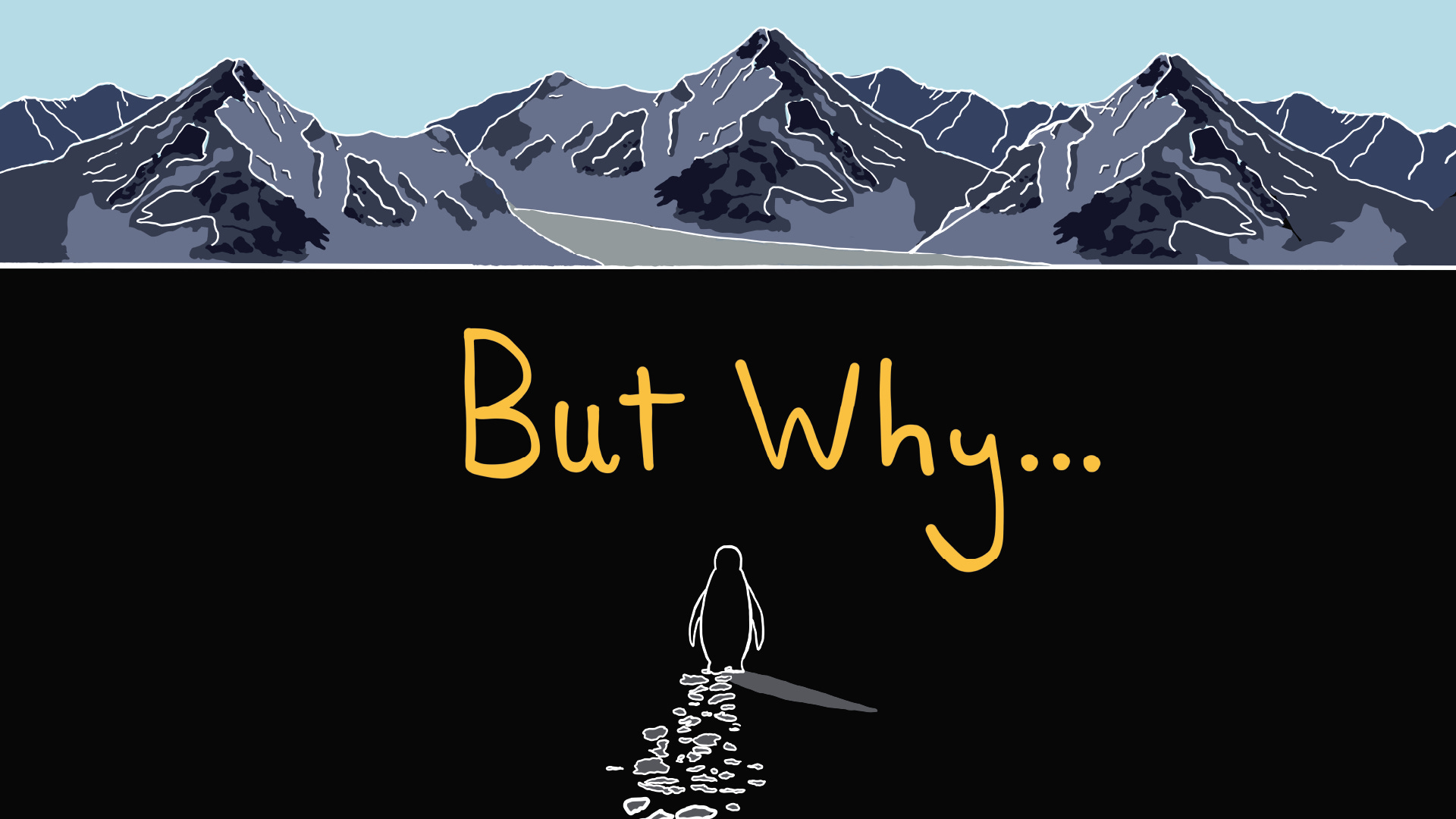
I remember applying for college courses when I was in 6th year in secondary school.
At 18, I didn’t know what to do with my life. What I did know, was that I had lost my love for filmmaking two years prior thanks to burning myself out with a 30 minute short film, and that I loved lifting weights and learning about the body. My love for philosophy, psychology, thinking, and ideas I would have called “profound;” it was all strong here too. But it was still very unconscious to me at that time.
In sum, I had no idea what I wanted from my life in the next 5 years.
So I spoke to my guidance counsellor and ran through my options. I knew that getting the grades wasn’t going to be a limiting factor, so I more or less had free reign to pick a course I wanted.
Any course. Except for becoming a vet or a lawyer maybe.
But there was an issue. I didn’t want any of them.
The only reason I settled for Multimedia was because it felt safe. I didn’t like making films anymore, but I did once, so surely that meant I would learn to love it again? Right? I had always done that, even though it no longer interested me, but I picked it.
Why?
I remember being told “you will never struggle to find work with that degree.”
“You will always have a job.”
That was all my mind needed to hear so I could run out of that small office, sprint home a little early while devouring a protein bar, and run straight to my cheap garage gym to do 3 sets of heavy, ass-to-grass squats.
I walked into that office wanting to solve a problem and I left with it unsolved. I came out with a solution. But it was the right solution to the wrong problem. It didn’t solve the deeper problem I had.
I didn’t realize it then, but I was already climbing a mountain. The weights were signal. My heart was pointing somewhere. It was physical training at that time. But I ignored it and followed the colony instead. I drifted through college with the same problem, only this time it was jiu-jitsu sending the most signal - and I kept ignoring it.
You might understand what I mean.
I know I’m only 22, and sure what the fuck do I know. I have a lot more learning to do and books to read in my lifetime hopefully. But I’ve always been curious as to the question of purpose. Meaning. Happiness. Even when I was 18 sitting in that office.
And I think there’s a difference between feeling the question and properly articulating it.
I felt it for years but I just didn’t have the words. I had interests like the weights, jiu-jitsu, (profound) ideas. But I had no direction, no mountain I had chosen for myself, which meant no real choice at all. I was drifting. Just more meaningfully than most people my own age. That scares me to think about a lot.
I think most people think they know what they want from life, yet they revolt against their own lives for all the wrong reasons.
Watch the video version of this essay (I recommend it, especially for this one).
Stagnation
When life feels empty, we reach for substitutes.
Pornography is loneliness sold as sex.
Alcohol is escape sold as fun.
Scrolling is distraction sold as rest.
Fast food is poison sold as pleasure.
Luxury is emptiness sold as purpose.
Notifications are control sold as importance.
Social media is validation sold as friendship.
Jobs are sold as careers, yet a job is work you wouldn’t do unless you were being paid to do that work.
I think it’s easy to revolt against your own life when you don’t have a life to begin with.
Listen.
I like going to the pub with the lads every once in a while, getting smashed drunk once or twice every month or so. Same with eating McDonalds and doomscrolling socials once I’ve finished my needle moving tasks for the day. But I’m not talking about that. Nobody is perfect, so you shouldn’t expect the way you live your life to be either.
I’m talking about falling prey to these substitutes when you don’t have real adventure.
A vision, or a direction.
Profound Idea: Meaninglessness is static. Meaning is dynamic.
The quickest way to feel like your life is meaningless is to sit around and do nothing.
Doing nothing is easy. Anyone can do it. But the human mind is built for progress. Deny the mind what it wants, and it will turn towards something else. It will find a way to make progress somehow, likely on something you do not truly want.
You don’t have a lack of meaning, you just lack movement.
Profound Idea: Happiness is found in progress.
I write first thing in the morning.
If I have to be at work at 10, I wake up before work. My ritual is simple. A mocha, phone downstairs, no music, no other tabs open, and no fucking emails. Then, I write. 1-2 sections of my newsletter. Anywhere between 1000-2000 words in 60 minutes. Sometimes just 500 words in 15 minutes.
It’s not a lot. But it’s done daily. The needle always moves daily.
Because I can’t push my mind any more than that in a day. Not really. Not without making worse creative decisions. Not without having less of a burning fire to speak from my heart or soul (or my annoying mouth, whatever way you want to conceptualize it).
Don’t forget that small sprints add up.
A 2000 word newsletter with 500 words of writing per day is done in four days. That’s it. So little to make big progress. So little to feel like you’re moving. That’s what most people miss.
Progress doesn’t require tons of effort. It requires showing up and doing the small things daily without romanticizing the whole damn process. We love to ignore the power of small sprints done across time. You need a marathon of sprints, of little wins to get moving again.
Think about finishing leg day and feeling clear-headed, once the Linkin Park mix is off, of course, and the fog has lifted and you can finally think straight. Or finally hitting your first foot-sweep at jiu-jitsu, on someone who’s been training longer than you, AND who’s been teaching you how to do foot-sweeps for weeks.
Even for you profound thinkers.
Reading a book that finally makes something click. Two ideas that had been floating separately for months suddenly connecting. Having a conversation where you articulate something you’ve been struggling with, and the other person actually gets it, all because you finally decided to embrace the power of uncertainty.
These are mountains you’ve climbed, or are still climbing. It’s all evidence that you’re moving.
The mind is cybernetic, which in Greek means “to steer.”
Which means what you aim at is what your mind will see.
You act. You make a mistake. You receive data about that mistake. You reiterate and act again. Happiness isn’t a place you arrive at. It’s the feeling of your feet moving. This is the feedback loop. This is the dopamine generator. This is what makes life feel interesting.
Stagnation kills meaning, purpose, and happiness, because each are found in progress.
If you are stagnant, you are drifting. Not moving towards a vision, a purpose, a mission, a quest, an adventure of your own choosing.
If you don’t build a purpose, you will be handed one to follow.
That’s why this penguin made a choice.
The penguin
There’s a video circulating online, you’ve probably seen it. If not, I’ll tell you the story now.
There’s a colony of penguins huddled together, waddling across the rocky snow-covered land. A small group of them moving as one towards the ocean, their place of protection, food, and almost certain survival. Their known world.
But as the colony stays on their path, one penguin stops.
He doesn’t follow. He looks toward the mountains on his left, far off in the distance. Barren. Dangerous. The unknown world. And what does he do? He turns around. He walks away from the group, alone, towards the mountains.
The narrator says he will walk to certain death, and the internet is calling him the “nihilist penguin.”
But millions of people watch this and feel something they can’t explain.
Why?
It’s a projection.
We see in other people what we lack. The choices we have and haven’t made. The paths we’ve been too afraid to take. The piece that’s been missing from completing the puzzle, the piece that would make our lives feel like ours again.
We don’t admire his death. That’s not the point. We admire his decision.
And the fact that millions of people are projecting their deepest desires onto a penguin walking toward certain death, is not a trend but a diagnosis. It’s a symptom of mass stagnation.
Millions of people watching, feeling something, yearning; because they haven’t chosen their own mountain. They’re still waddling with the colony. Still following the path they were handed at childhood, in adolescence, in their early twenties, all because it’s safe before being their own.
Safety over adventure. Surviving instead of living.
We yearn to make that same choice. To say fuck you to the river we all drift along. To fulfill our heart’s desire to escape toward a life of our own choosing. Staying safe within the huddle versus exploring the mountains. Comfort vs growth. Involuntary following vs voluntary action. The power of embracing uncertainty comes from the fact that it holds everything you could be. Safety feels comfortable, and comfortable is predictable, and predictable causes stagnation, and stagnation kills meaning, purpose, and happiness.
Instead of choosing to survive the penguin chose to live, and that’s why we admire him. We admire him because he made the first real decision of his whole life.
Profound Idea: The freedom to choose the mountains over the safety of the group is what makes life interesting again.
You have to make the unknown known if you expect to become capable of living anything but a boring life.
On my 18th birthday I went to my first jiu-jitsu class alone. It was the first time I had done anything alone. I was very anxious as a kid, and I usually trained with my cousin once or twice per week. But he was working that day. So I decided to take a leap. It took me all day to talk myself into it but I did it.
To say it terrified me, walking onto the mats alone, only to get injured that day rolling with a total stranger - but soon to be close friend - it was fucking huge. And almost 4 years later, with a blue belt and a second family I see more than my own blood, the power of making that choice changed my life.
Choosing to climb a mountain, that mountain, it changed my life.
This has everything to do with the mountains. We don’t admire the penguin for where he’s going. We admire him for his refusal. The act of choosing is the meaning, not the destination.
If you want to make your life interesting again, you need to walk towards your own mountains. They need to be hand picked. Because the struggle itself is your source of meaning.
And the best thing about all this, is that you have the choice to choose any mountain you want. But you have to make the choice yourself.
And it starts with this:
How to choose your own mountain
The penguin made a choice and now it’s your turn.
This is the part where most people get stuck. They feel the pull toward a mountain or multiple mountains at once, but they don’t know how to start climbing. They wait for clarity, motivation, or permission.
They fail to understand this:
Clarity comes from movement.
You will never know what to do with your life unless you start trying to live it.
Here’s the framework. Three steps, that’s it. You’ll gain a lot of clarity within 30 minutes of doing this.
I - direction
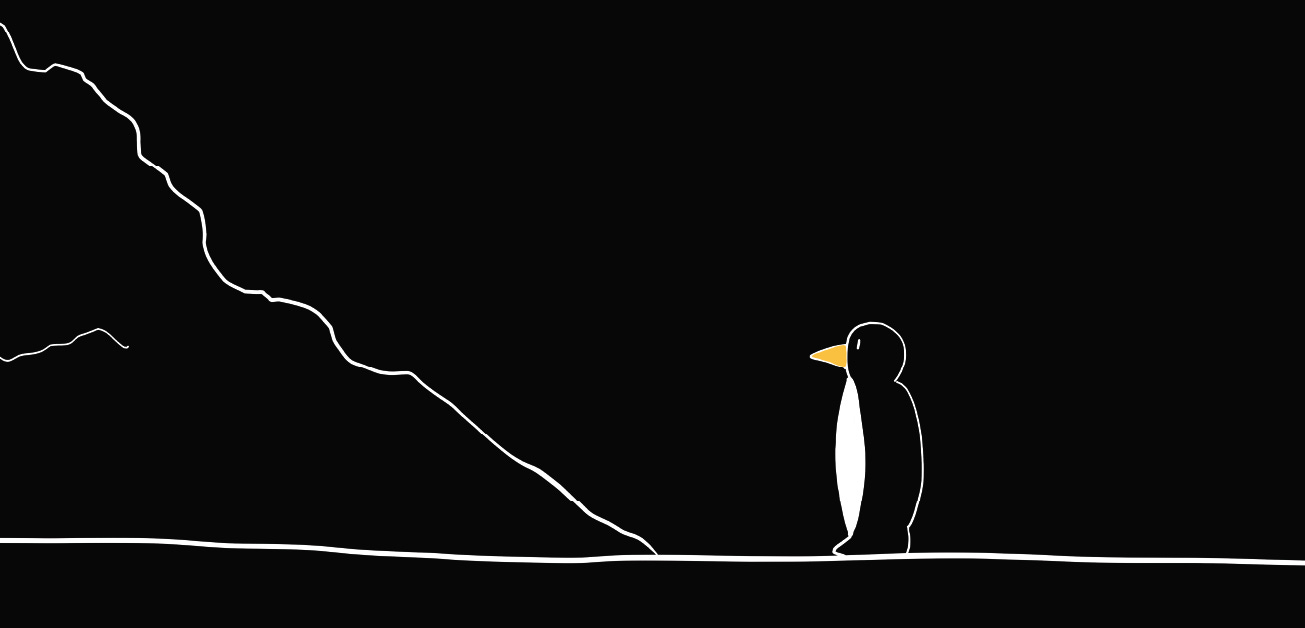
Before you climb any mountain, you need to know two things:
Vision - the mountain you want to climb
Anti-vision - the colony you’re running from, or the mountains you do not want to climb
Your vision is not a goal, it’s a direction. A compass. Not a map. It can evolve. And it should evolve as you do. But you need at least something to aim at, or your mind has nothing to steer you toward.
Ask yourself:
If I could build the life I actually wanted (not the one I’m supposed to want) what would it look like?
What would a perfect life look like?
What would it look like if it was better than perfect?
Practicality and attainability aside, it’s a great thought experiment. I don’t know why we aren’t just told this question at the start of every workday, or every school day. Because if you don’t ask yourself this question, then you expect anything from the bottom of the barrel as being fine.
Write down an answer. On a page or on a notes app on your phone.
500-1000 words, and be specific.
What does your day look like? Your work? Your energy? Your relationships?
Now, flip it.
Your anti-vision is the life you’re running from. The version of you in 5 years if you changed nothing about yourself right now. If you keep drifting. If you stay with the colony. How terrible will that look?
What does that horrible life look like?
Write that down too. 500-1000 words. Let it scare the shit out of you. That fear is fuel.
Think about all the people who inspire you to be nothing like them. Use that.
Having a direction to move toward and knowing what you’re running from, will serve as a filter for every decision you make. Having a vision gives you direction and at least some clarity, if not most. Whereas having an anti-vision gives you the endless motivation to move. If you struggle with motivation in general, you likely don’t have an enemy to run from. That applies to any form of motivation in your life.
II - movement
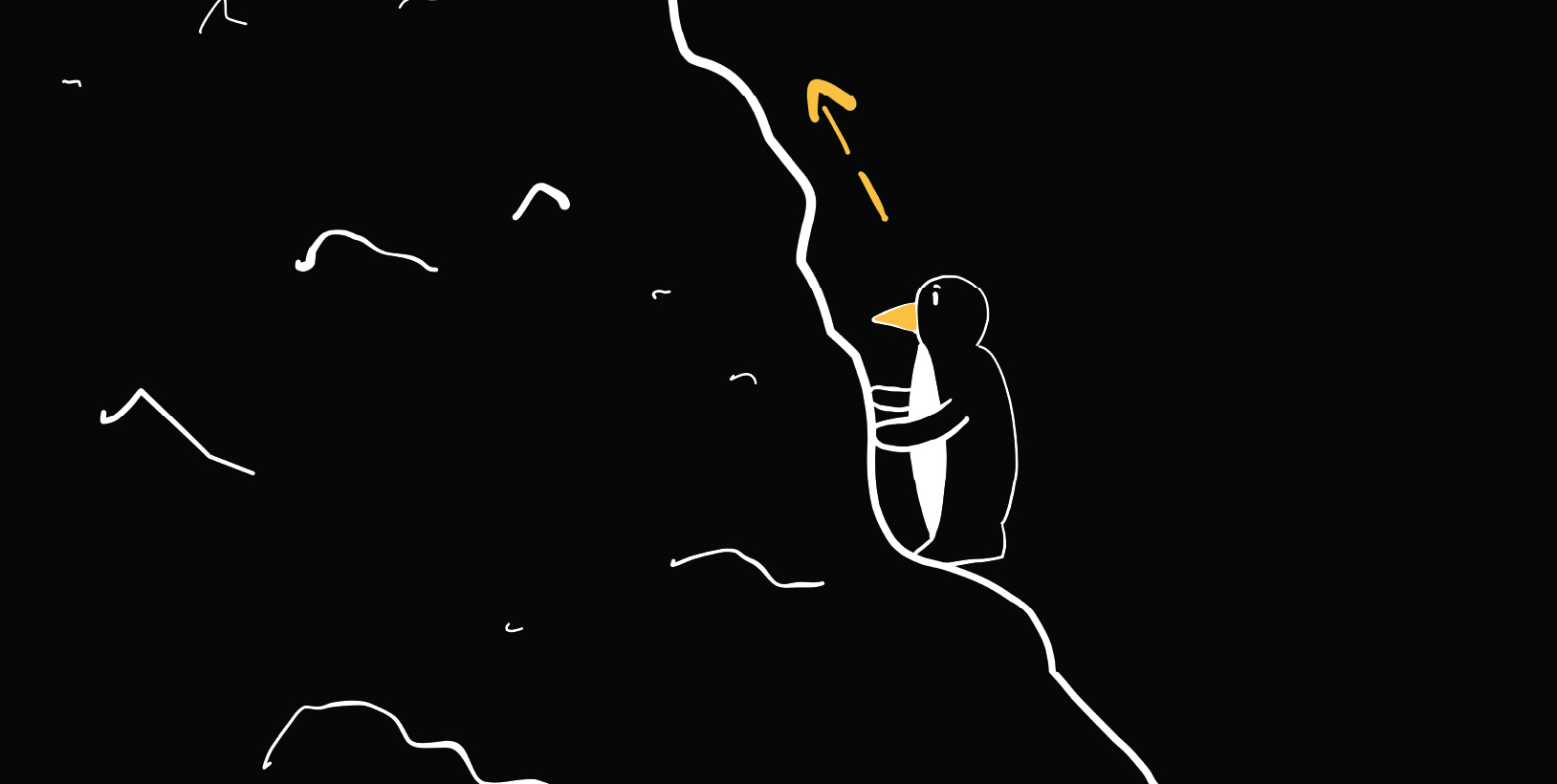
Direction without movement is daydreaming. I was bad for that in school especially.
You need a project.
One single, measurable outcome. Give yourself 30-90 days to achieve it.
It can be anything:
Read one book and apply one idea from it
Write one newsletter per week for 8 weeks
Follow one fitness routine for 60 days
Learn one skill that moves you toward your vision
Make one friend at work, school, college
A project forces you to learn only what is required. No more consuming for the sake of consuming. No more “I’ll learn everything just in case” learning. Your project becomes your curriculum.
Then: deep work
30-90 minutes per day on one task.
p u r e f o c u s
Not something vague like “write for an hour.” You want “write 500 words,” something that’s measurable. That’s what’s called a needle-moving task.
Like we’ve talked about, this is what I do every morning. Mocha, phone downstairs, no emails, no music. 500-1000 words. Done.
A 2000 word newsletter at 500 words per day is done in four days. Small sprints add up. You need a marathon of sprints, not constant effort 24/7. We’re built to hunt like lions, not graze all day like cows.
As long as you’re moving the needle for at least 30 minutes a day, you’re doing fine. You’ll gain more clarity on what to do and where to go the more you do this.
That’s where our next step comes in.
III - iteration
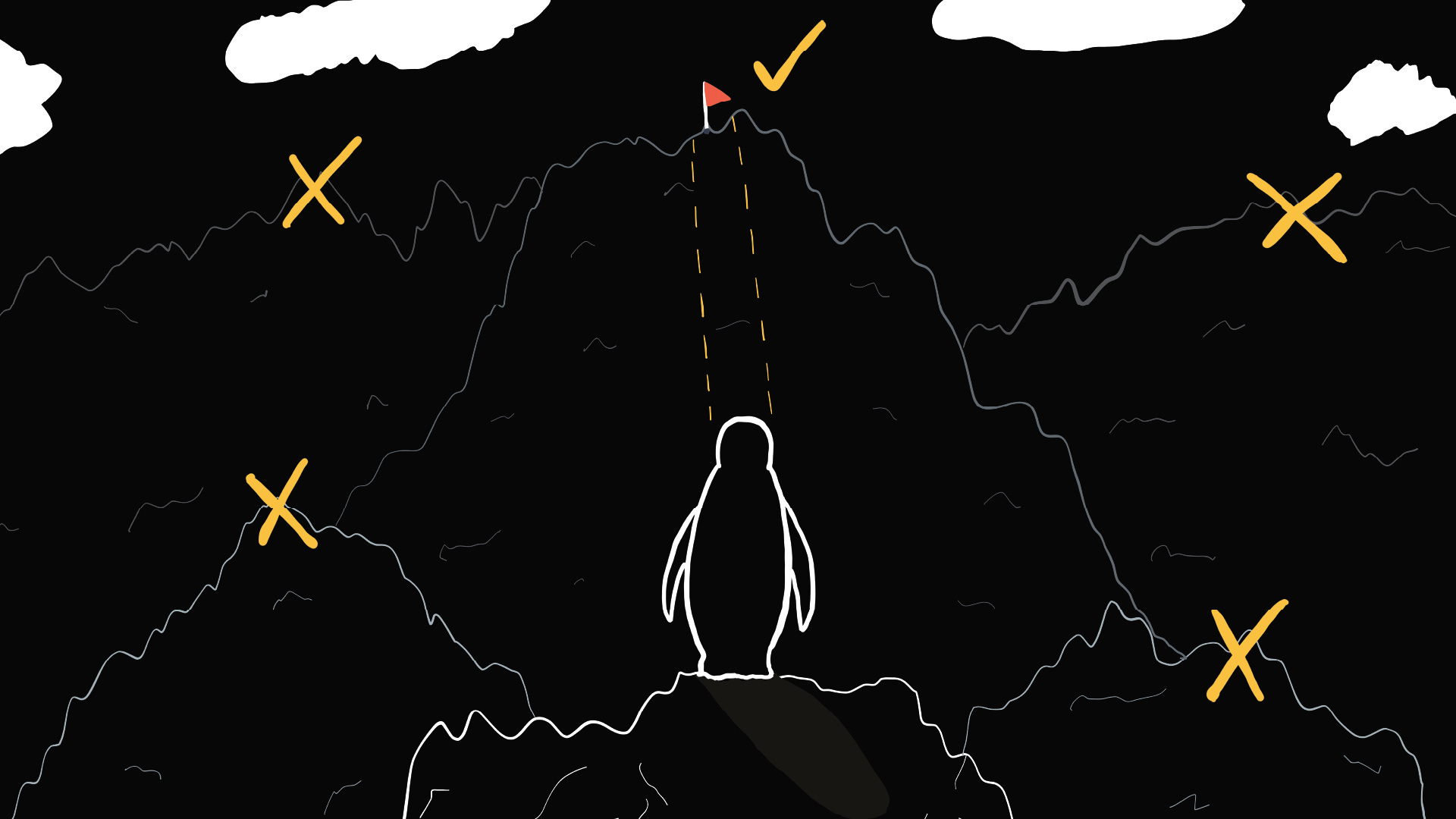
I hate that most people miss this idea. It really bothers me; it burns my soul.
Iteration.
Everyone talks about the power of consistency. But consistency without iteration is pointless repetition. Insanity. And repetition without making adjustments upon each rep is just stagnation.
It’s like walking in place. Like a toy soldier. You’re moving your feet up and down, but you’re not moving towards something.
The iteration process is this:
Act
Make a mistake
Receive feedback
Adjust
Act again
If there’s one thing to take from this newsletter in terms of how to make rapid progress towards creating the life you’ve always wanted, it’s iteration towards a vision that always evolves.
The vision itself iterates as you do.
This is the feedback loop. This is what makes progress feel like progress.
After each sprint (30mins of moving the needle), ask yourself:
What worked?
What didn’t?
What’s the biggest bottleneck?
Then, adjust.
Do you need a sharper arrow?
A stronger bow?
Better aim?
Identify the constraint and solve it. One mountain leads to the next. You finish a project, you start another. Each one builds on the last. Each one makes the unknown a little more known (as Carl Jung would’ve say it!).
This is profound self-education at its core.
Not reading lists. Not courses. Not credentials. Not trackers that make you feel productive but don’t move the needle.
I hate the idea of tracking everything. Even second brains for “storing” all your notes.
If any one thing (information) is not worth encoding and storing into your memory for purposeful retrieval or recall (unique knowledge), then its not worth saving in your second brain software, and its not worth tracking the fucking thing.
Sorry. That’s something that really pisses me off. I will do a newsletter on that topic at some point in the future. I have a lot to say about second brains and building unique knowledge.
The reason I say all this is because your problems are your curriculum. Your projects are your classroom. Your progress is your proof. Stop tracking everything and start climbing. If you’re tracking, it means you’re not climbing.
Profound Idea: To learn is to become capable of living, not existing.
Happiness is found in progress. Not survival.
Summary
I present, how to make your life interesting again:
Recognize stagnation is the enemy - Your boring life isn’t a circumstance problem. It’s a movement problem. Meaninglessness is static. Meaning is dynamic. If you feel empty, it’s because you’ve stopped progressing somewhere. Really think about this idea. If you feel empty, it’s because you’ve stopped progressing somewhere. The void you feel isn’t a lack of meaning, it’s a lack of movement. Create a vision to give yourself direction. This will give you some clarity and how and where to start moving. Create an anti-vision to give yourself motivation to move. You will never feel motivated to move unless you have a hell, an enemy, a way of life, or past experiences you don’t wish to see repeated.
Choose your own mountains - Like our penguin friend, you need to pick a direction. Not because you’re certain it’s right, but because movement creates meaning, and that the direction you’ve picked is yours. Pick your poison. Pick your sacrifice. Pick your source of meaningful friction. Define a project. One single measurable outcome for 30-90 days that forces you to learn something new. The direction matters less than the movement. Just. Move. Somewhere.
Engage the feedback loop daily - Act, make mistakes, gather data, reiterate. This is the loop that fills the void. You cannot move without iteration. It’s like taking one step and getting stuck in quicksand. Iteration keeps you moving, always overcoming obstacles as they try to prevent movement. Schedule deep work blocks of 30-90 minutes. Even 10-15 minutes. You would be so surprised by how little work it takes every day, and I say every day for good reason. Identify 1-3 needle-moving tasks that actually advance your project. Iterate relentlessly. Evaluate what worked, destroy what didn’t, rebuild with new understanding. Consistency without iteration is just pointless repetition. Einstein would’ve called that, insanity.
Become obsessed with genuine curiosities - Force yourself to explore until you discover what truly lights you up. Interesting people are people who are deeply interested in something. Interesting lives are lives full of meaningful work, a throughline mission, a series of interests that all serve that vision and connect like a spider’s web, making up the unique knowledge that is you. Follow your fascinations ruthlessly, even when they seem disconnected or useless. Interest is the best leverage you have. If you always do what feels like fun to you, but work to other people, (1) you will never work a day in your life and (2) you will have no competition. Because you can’t win a one-person competition!
Find joy in the endless process - The struggle is the goal. Not the summit. There is no end point. No final destination where life becomes permanently interesting. But the possibility of finding joy in this eternal process is enough. That’s why you always want to keep climbing mountains. Pick a small one first, the Dublin Mountains perhaps, and work your way up to fucking Everest one day, and beyond. Problems are your curriculum. Anxiety is signal, not a stop sign (it means you’re escaping the known world to become someone new). Happiness is found in progress, not arrival.
Albert Camus said that “one must imagine Sisyphus happy” in trying to push the rock up the hill for eternity.
A lot of people might say “one must imagine the nihilist penguin happy.”
I say, we should imagine him trying to be happy.
They key word is trying. Not because he reached the mountains but because he chose them. Because he tried to reach them.
Instead of choosing to survive, he chose to live.
Thanks for reading. I appreciate your time and attention. I know it’s very valuable, so I appreciate you being here.
You’re an absolute legend.
- Craig :)
If you want help building your vision, choosing your first mountain, and creating a system for climbing it, I made something for you.
The Profound Self-Education Guide is out now.
A 70-page guide + AI prompt to help you:
Clarify your vision and anti-vision
Define your first project (your mountain)
Build a productivity plan with your first needle-moving task ready for tomorrow morning
You can read the first two sections free here.
50% off until February 21st.
I have no special talents. I am only passionately curious. - Albert Einstein
Craig, this resonates A LOT. I spent years feeling empty despite being "busy". Law degree, restaurant work, full schedule. The problem wasn't lack of movement. It was movement in directions I'd defaulted into.
I picked law because I had to choose something when I didn't know what I wanted. Restaurant work was circumstance. I was climbing mountains, but mountains I'd randomly picked or fell into. (not ones I actually chose after asking what I wanted). The shift: recognizing the gap between who I was being and who I could be. Then asking "what percentage of my potential am I willing to accept?" That's when movement became meaningful.
Not because I found the "right" mountain, but because I finally chose my mountain after honest self-negotiation about what I actually wanted. Your penguin didn't need certainty about the destination. He needed courage to choose his own direction instead of accepting the default. The struggle is the goal, but only when it's struggle toward something you actually chose.
Just out of Curiousity: when did you realize you were climbing your own mountain vs. one that was assigned to you?